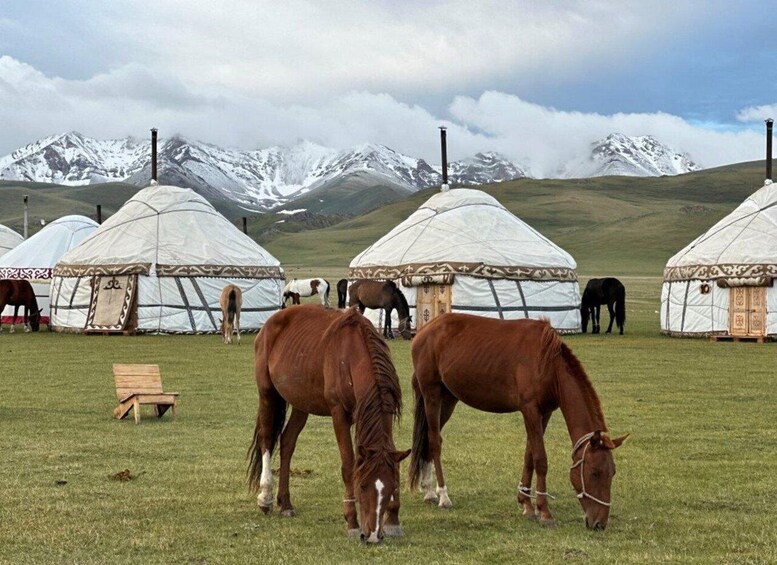
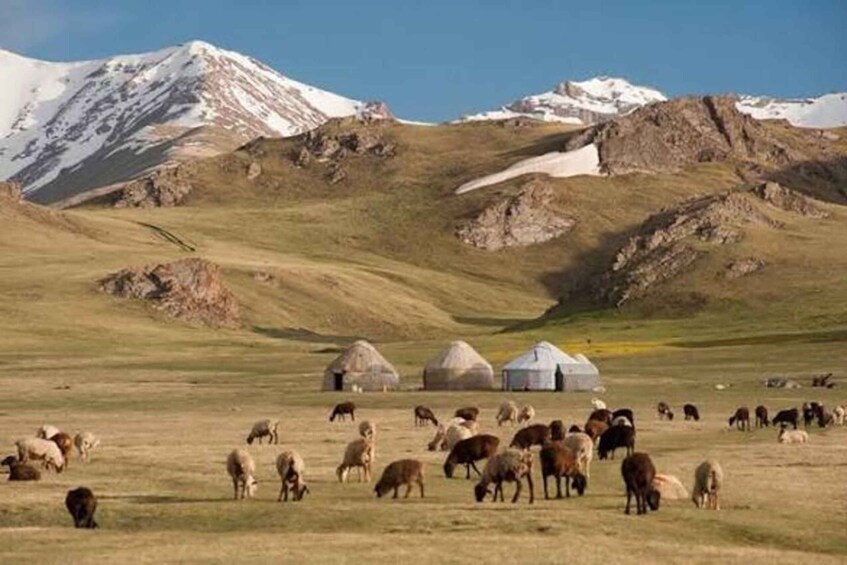
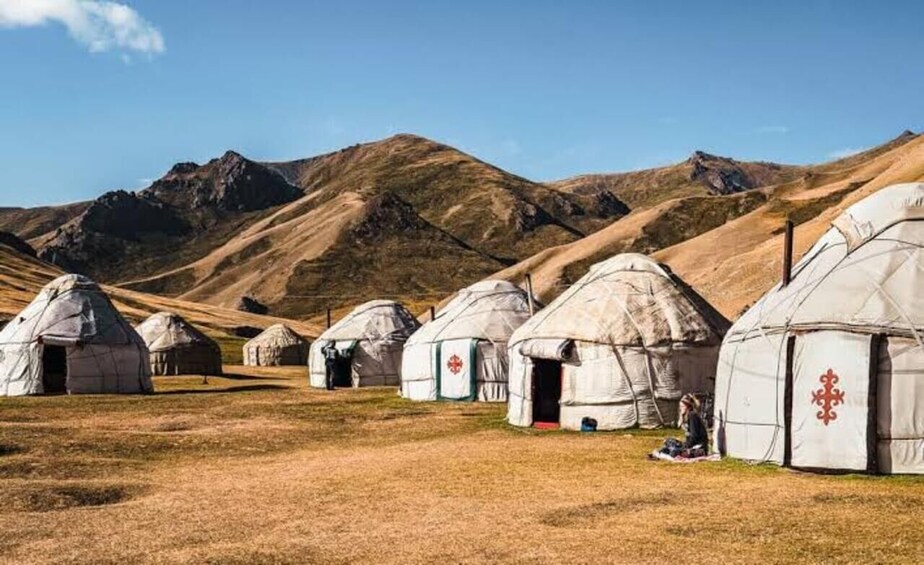
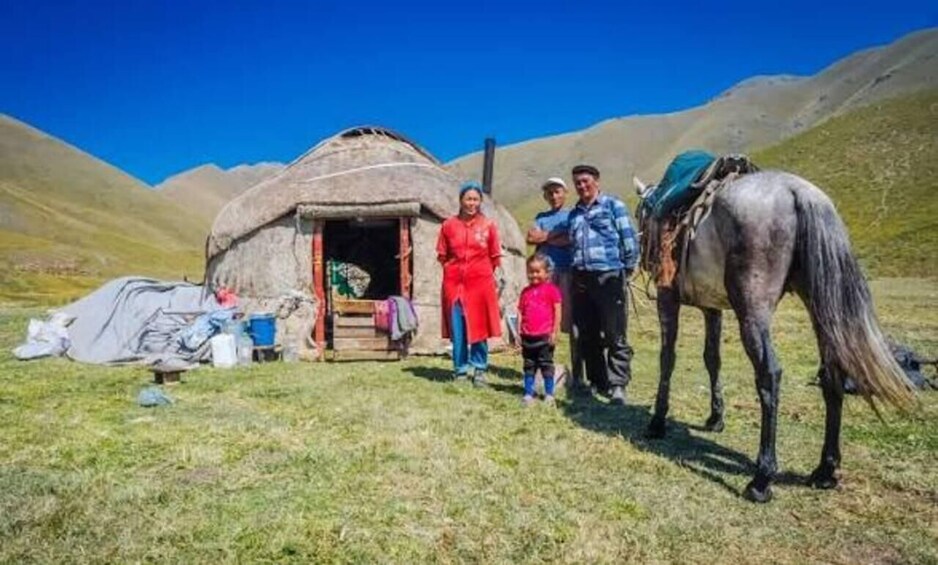
Immerse yourself in the nomadic traditions of the Issyk-Kul region, where the rugged Tian Shan mountains meet the deep, saline waters of the world’s second-largest alpine lake. Stay in a traditional yurt camp, a sophisticated, portable dwelling that has defined the Kyrgyz way of life for centuries.
Constructed from a collapsible wooden lattice frame and covered in thick, insulating felt made from sheep’s wool, the yurt is an architectural marvel designed to withstand the harsh, fluctuating climates of the high-altitude steppes. Historically, the mobility afforded by the yurt allowed nomadic pastoralists to follow seasonal grazing patterns, a practice that remains deeply embedded in the cultural identity of the region.
Engage with this heritage by staying in yurt camps, particularly in areas like the Chon-Kemin Valley or near the southern shores of the lake. Enjoy an intimate look at the nomadic lifestyle, often accompanied by traditional culinary experiences, such as the consumption of kymyz (fermented mare’s milk) and beshbarmak.
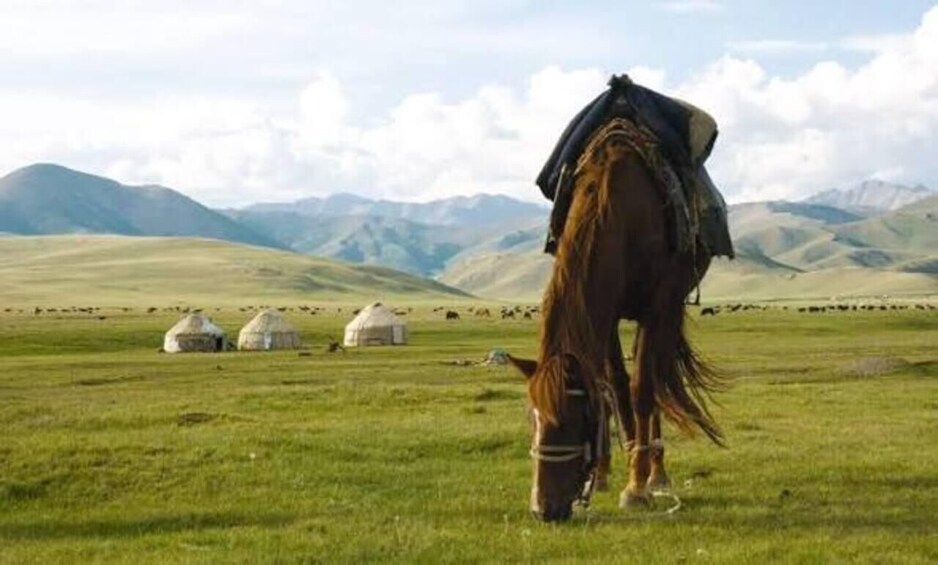
The horse, revered as the “wings of the Kyrgyz,” remains central to this culture. Equestrian traditions in Kyrgyzstan are not merely recreational; they are historical remnants of a society that relied on the horse for transport, warfare, and sustenance.
Take a guided horse trek through the alpine meadows of Jeti-Oguz or the verdant valleys of Chon-Kemin. Traverse the same mountain passes used by Silk Road traders and nomadic tribes for millennia.