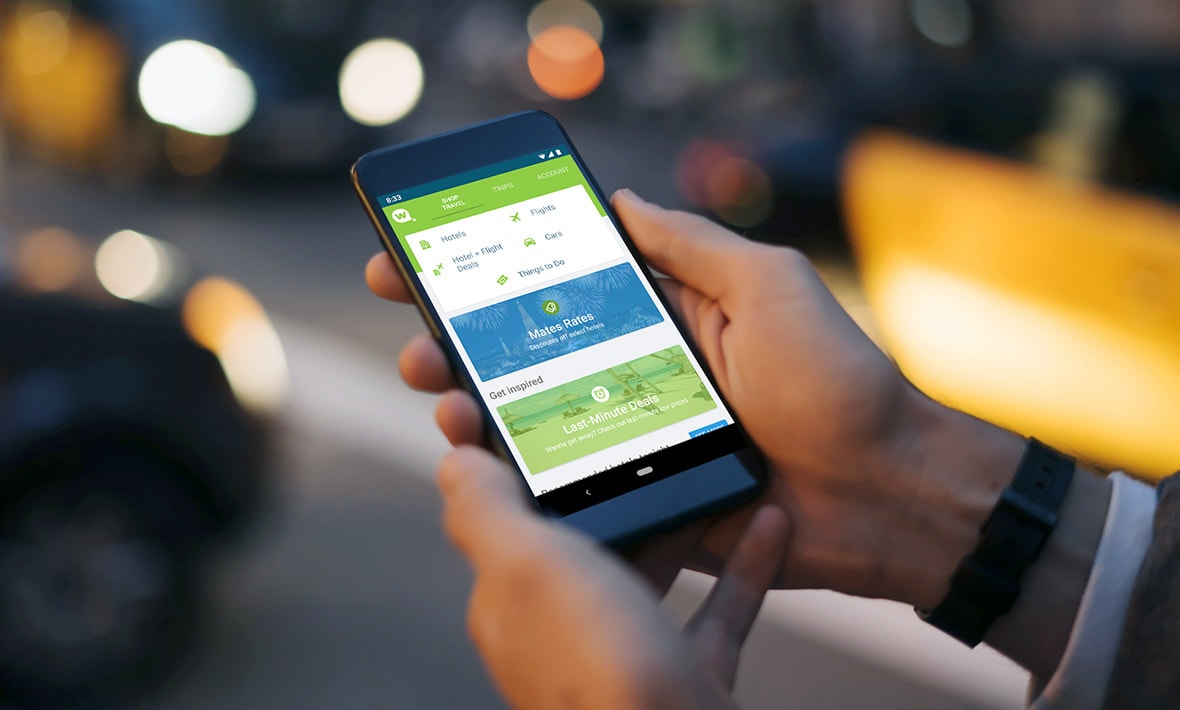
Compare Hotel & Accommodation Prices
What's new


Insider tips from the experts
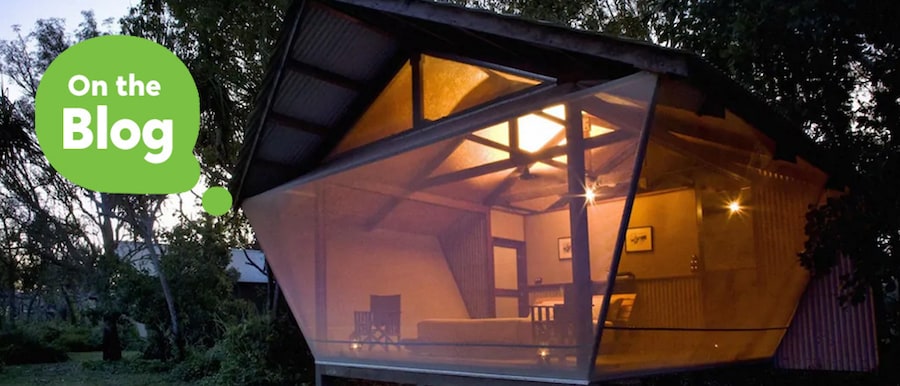
8 most unique stays in Oz
From a cosy cave to a former prison, these wild accommodation options are out of this world... and all within reach of us lucky Aussies... Read more.
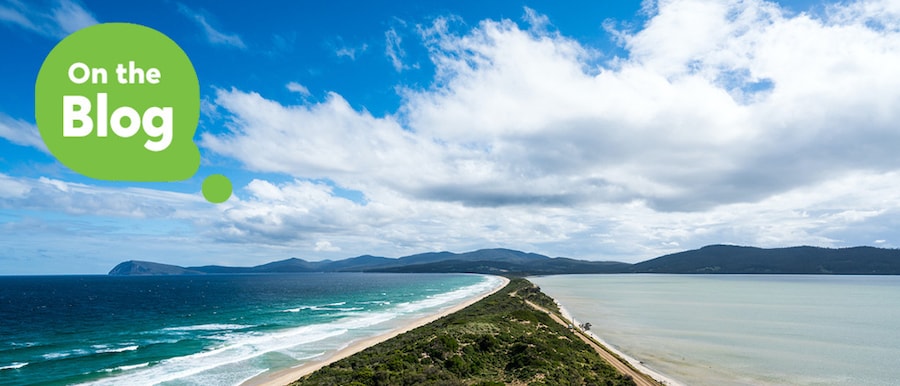
5 islands that don't require a passport
Ready to go off-grid? 🙋♀ These local stays are perfect for a getaway that's within Aussie borders. Bookmark these five incredible islands... Read more.
Dream holiday emoji quiz
Emojis aren't just emojis - they're also a clever way to predict your next best holiday spot 🔮 Allow us to show you exactly how with this quiz... Read more.
Deals to suit your style


Bag yourself a bargain on your hotel stay
How to book great hotels with Wotif
Making a hotel booking is simple with Wotif. Get the ball rolling by typing in your destination, then use the handy filters to narrow down your search. Once you've picked your property, confirm your booking and get ready to pack your suitcase. In need of some destination inspiration? Get scrolling on this page for some holiday ideas—from lengthy road trips or a quick last-minute break, we’ve got you sorted.
How to find a cheap hotel
If you're looking to save on hotels, look no further than Wotif's handy filters. Use the slider to set your maximum price so you'll only be shown properties within your budget, then sort from low to high to see some of the cheapest accommodation options available first. Don't forget to keep your eyes peeled for special deals, too—sometimes you'll be able to save an extra bit of cash with our Mates Rates offers.
How to find some of the best hotel deals
Everyone loves a bargain—so in your search for a hotel just scroll through this page to see Wotif's hot-off-the-press cheap hotel deals. Offers can vary depending on where and when you want to travel, so it pays (literally) to be flexible. And if you want to get even more bang for your buck, consider bundling up your discount hotel with your flights to create your very own personalised package holiday anywhere, starting by booking your hotel in Perth, Canberra or beyond.
The best time to reserve hotels
Sure, it can be hard to predict what you're doing next week, much less next year—but, by and large, hotels are cheaper if you reserve ahead of time. And the further in advance you book, the less your room will cost. If you’re a little more spontaneous, you can also shop our deals for last-minute hotels. And, if you can, try to travel in the off-season: quieter hotels can often mean cheaper room rates.
How to find the best destinations
With Wotif's amazing selection of hotels across Australia and further afield, the world's your oyster in 2026. Fancy seeing Sydney's New Year's fireworks in person? How about a right royal holiday to London? A vibrant city trip in Melbourne? Or a blissful beach break in Bali? From destinations on your doorstep to far-flung locales, Wotif's here to help you save on hotels and get you wherever you want to go, without breaking the bank.
The advantages of booking with Wotif
Wotif provides a host of advantages when it comes to travelling for less, from mates' rates on your hotel booking, comparing some of the best hotels near you or your dream destination, early notifications that keep you ahead of the game and fantastic discount coupons sent straight to your inbox. If you want lower-stress, lower-cost travel, you need Wotif: your handy helper for finding cheap hotels.
Hotel cancellation policies on Wotif
Some hotels offer free cancellation when you book them through Wotif. So, if you need to call off your next surfing trip to the Gold Coast, say, you might not lose out on any cash (although that's small consolation for missing out on the ocean). The terms and notice periods may vary, though, so be sure to check the specifics of your booking. Need a hand with the nitty-gritty? Wotif's friendly customer service team are available to chat through your options via our help centre.
More Destinations
Top International Destinations
- Accommodation in Bali
- Accommodation in London
- Accommodation in Singapore
- Accommodation in Sorrento
- Accommodation in Washington DC
- Accommodation in New York
- Accommodation in Auckland
- Accommodation in Dubai
- Accommodation in Tokyo
- Accommodation in Phuket
- Accommodation in Honolulu
- Accommodation in Paris
- Accommodation in Queenstown
- Discover hotels by country
Top City Destinations in Australia
- Accommodation and Hotels in Melbourne
- Accommodation and Hotels in South Coast
- Accommodation and Hotels in Perth
- Accommodation and Hotels in Gold Coast
- Accommodation and Hotels in Coffs Harbour
- Accommodation and Hotels in Hobart
- Accommodation and Hotels in Central Coast
- Accommodation and Hotels in Byron Bay
- Accommodation and Hotels in Port Macquarie
- Accommodation and Hotels in Melbourne CBD
- Accommodation and Hotels in Canberra
- Accommodation and Hotels in Hunter Valley
- Accommodation and Hotels in Brisbane
- Accommodation and Hotels in Adelaide
- Accommodation and Hotels in Sunshine Coast
- Accommodation and Hotels in Nelson Bay
- Accommodation and Hotels in Newcastle
- Accommodation and Hotels in Sydney
- Accommodation and Hotels in Cairns
- Accommodation and Hotels in Launceston
- Accommodation and Hotels in Foster
- Accommodation and Hotels in Albury
- All Hotel Locations
Top Caravan & Holiday Park Destinations
- Caravan & Holiday Parks in Australia
- Caravan & Holiday Parks in Tasmania
- Yamba Caravan & Holiday Parks
- South Coast Caravan & Holiday Parks
- Coffs Harbour Caravan & Holiday Parks
- Wollongong Caravan & Holiday Parks
- Central Coast Caravan & Holiday Parks
- Sydney Caravan & Holiday Parks
- Adelaide & South Australia Caravan and Holiday Parks
- Newcastle Caravan & Holiday Parks
- Canberra Caravan & Holiday Parks
- Perth Caravan & Holiday Parks
- Airlie Beach Caravan & Holiday Parks
- Lakes Entrance Caravan & Holiday Parks
- Nelson Bay Caravan & Holiday Parks
- Mildura Caravan & Holiday Park
- Sunshine Coast Caravan & Holiday Parks
- Port Macquarie Caravan & Holiday Parks
- Byron Bay Caravan & Holiday Parks
- Busselton Caravan & Holiday Parks
- Echuca Caravan & Holiday Parks
- Gold Coast Caravan & Holiday Parks
- Gosford Caravan & Holiday Parks
- Mackay Caravan & Holiday Parks
- North Coast Caravan & Holiday Parks
- Bowral Caravan & Holiday Parks
Places to Stay and Hotels in Australia
- Shangri La Hotel Sydney
- Sea World Resort Gold Coast
- The Langham Melbourne
- JW Marriott Gold Coast Resort & Spa
- Novotel Sydney on Darling Harbour
- Crowne Plaza Terrigal
- Sheraton Grand Mirage Resort, Port Douglas
- The Hotel Windsor Melbourne
- The Beach Cabarita Tweed Heads
- Glen Inn Melbourne
- Sofitel Melbourne On Collins
- Crown Plaza Hunter Valley
- Park Hyatt Melbourne
- RACV Noosa Resort
- Rydges South Bank Brisbane
- Hyatt Regency Brisbane
- Ingenia Holidays Noosa North
- Hotel Realm Canberra
- Novotel Surfers Paradise
- Lorne Ocean Views
- Turtle Beach Resort
More Themes to Discover
- Hotels with Air Conditioning
- Hotels with Airport Transfers
- All Inclusive Hotels
- Arcade Hotels
- Hotels with Balconies
- Hotels with Bars
- Beach Hotels
- Boutique Hotels
- Cheap Hotels
- Business Hotels
- Casino Hotels
- Hotels with Childcare
- Hotels with Restaurants
- Family Hotels
- Fishing Resorts & Hotels
- Hotels with a Gym
- Hotels with Free Airport Shuttle
- Hotels with Free Breakfast
- Hotels with Free Parking
- Golf Hotels
- Hotels with Hot Tubs
- Hotels with Indoor Pools
- Apartment Hotels
- Hotels with Kitchenettes
- Hotels on the Lake
- Hotels with a Lazy River
- LGBT Welcoming Hotels
- Luxury Hotels
- Oceanfront Hotels
- Hotels with Parking
- Pet Friendly Hotels
- Hotels with Pool
- Adventure Sport Hotels
- Hotels on the River
- Romantic Hotels
- Hotels with Room Service
- Hotels with Shopping
- Ski Hotels
- Spa Hotels
- Hotels with Suites
- Green Hotels
- Hotels with Tennis Courts
- Hotels with a Waterpark
- Hotels with Waterslides
- Hotels with a Wedding Venue
- Winery Hotels
Other Accommodation Options
- Aparthotels
- Apartments
- B&B
- Cabin Rentals
- Caravan Parks
- Castles
- Chalets
- Condo Rentals
- Condominium Resort
- Cottages
- Country Houses
- Cruise Ships
- Farmstay
- Guest Houses
- Holiday Homes
- Holiday Parks
- Hostels
- Houseboats
- Inns
- Lodges
- Motels
- Palaces
- Pensions
- Pod Hotels
- Pousadas
- Ranches
- Residences
- Resorts
- Riads
- Ryokans
- Safari Camps
- Town Houses
- Tree Houses
- Villas